 The federation
 Intranet


Members

|

|
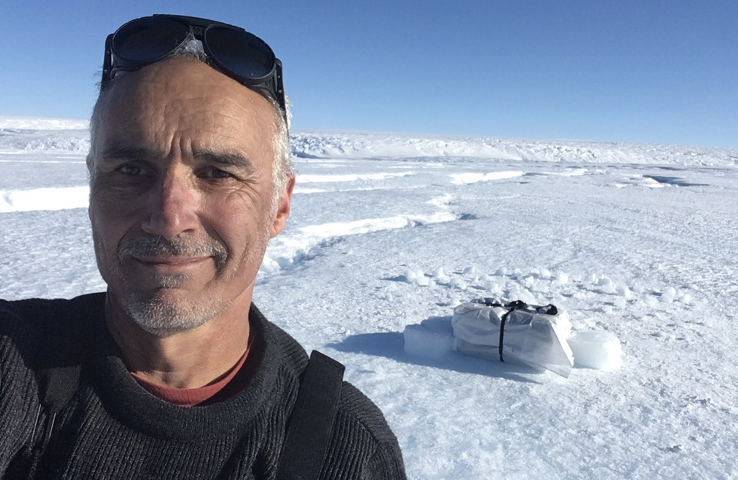
Guilhem BARRUOL, CNRS Senior Research Scientist (DR)
|
My work as a seismologist was largely focused on characterizing the structure and deformation of the upper mantle (mountain ranges, hot spots and mantle plumes). In recent years I have, however, developed an interest in environmental applications of seismology : characterization of ocean swell, monitoring of solid transport in rivers, ocean noise pollution, detection and monitoring of acoustic sources in the oceans (ships, whales), and use of cryoseismology to characterize ice dynamics, in particular to study Antarctic coastal glaciers such as the Astrolabe Glacier in Terre Adélie, its deformation and interaction with the ocean, which has motivated my arrival at IGE and in the CryoDyn team in 2021.
|





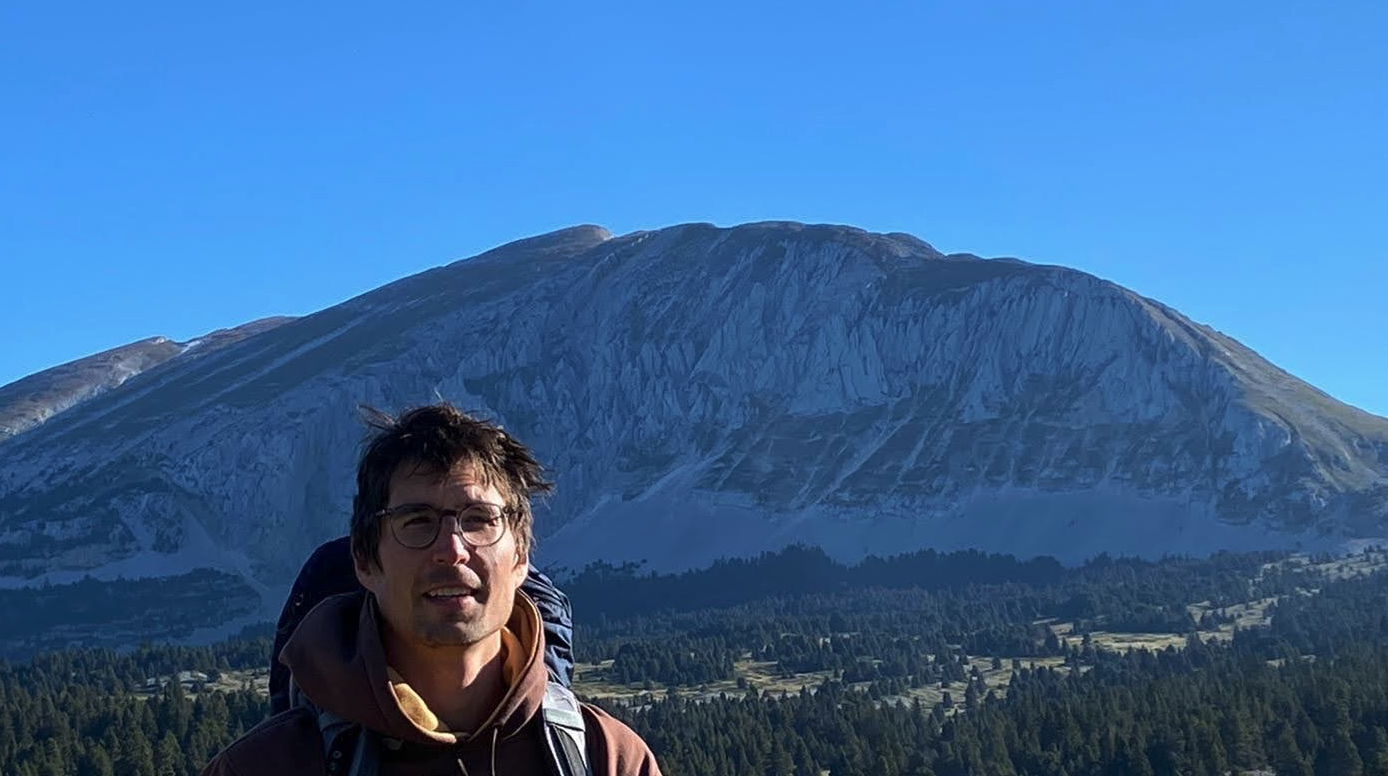
Lucas BASTIEN, Research Engineer (TRACCS)
|
My scientific interests lie in the engineering aspects of modeling the fluid envelopes of our planet. After studying air pollution for over a decade, I joined the CryoDyn research team to work on the implementation of atmosphere-polar ice sheets interactions within a state-of-the art climate model, with the goal of improving sea level rise predictions.
|
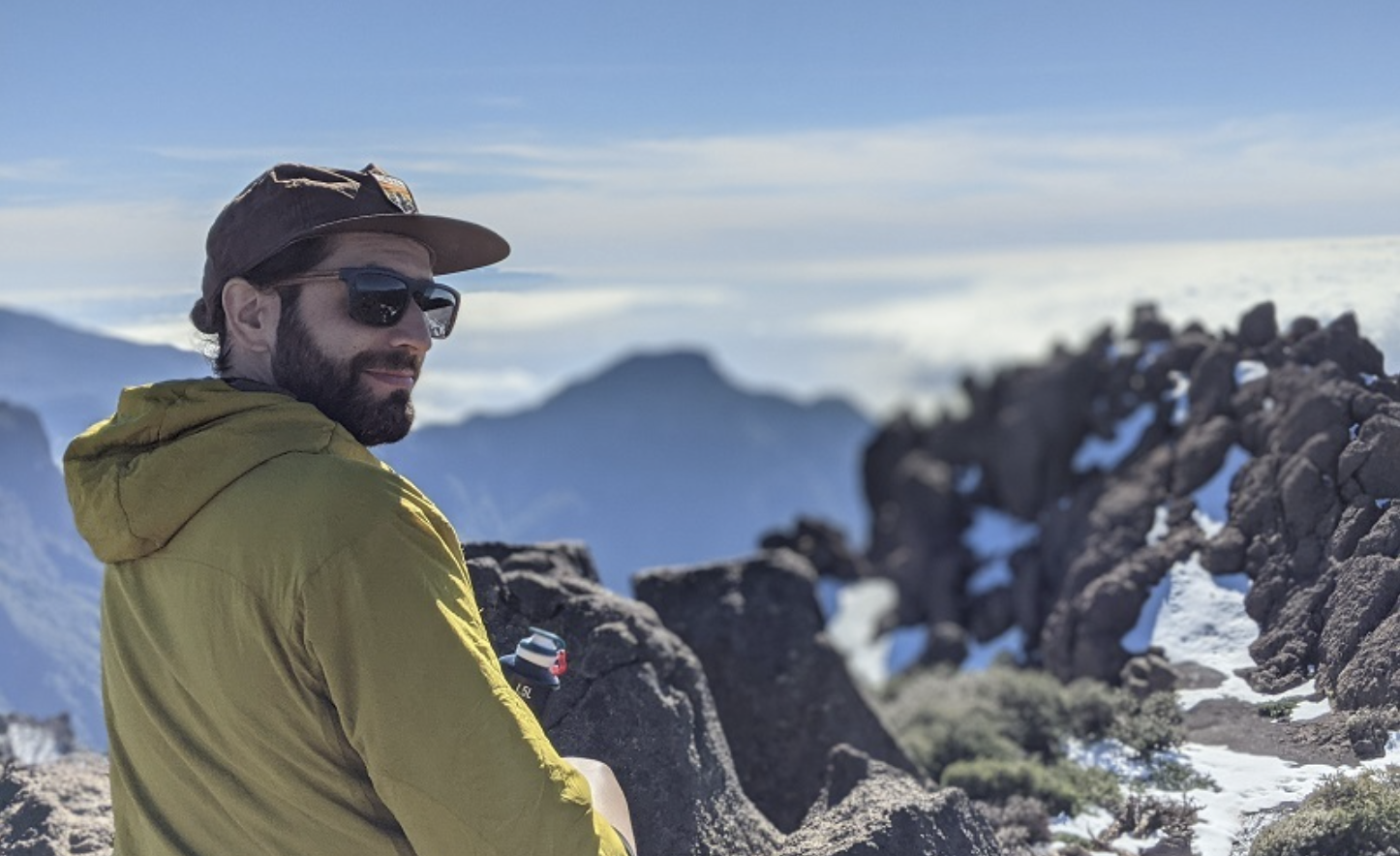
Jordi BOLIBAR, CNRS Research Scientist (CR)
|
I study the evolution of glaciers in response to climate change on a regional scale and its hydrological consequences. I use machine learning modelling approaches combined with physical-empirical models. During my PhD, I applied these methods to the study of the evolution of all the glaciers in the French Alps between 1967 and 2100, in order to better understand the reasons for these changes, the non-linear interactions between climate and glaciers and the hydrological consequences for the region.
|
Mylène BONNEFOY-DEMONGEOT, Research Engineer
|
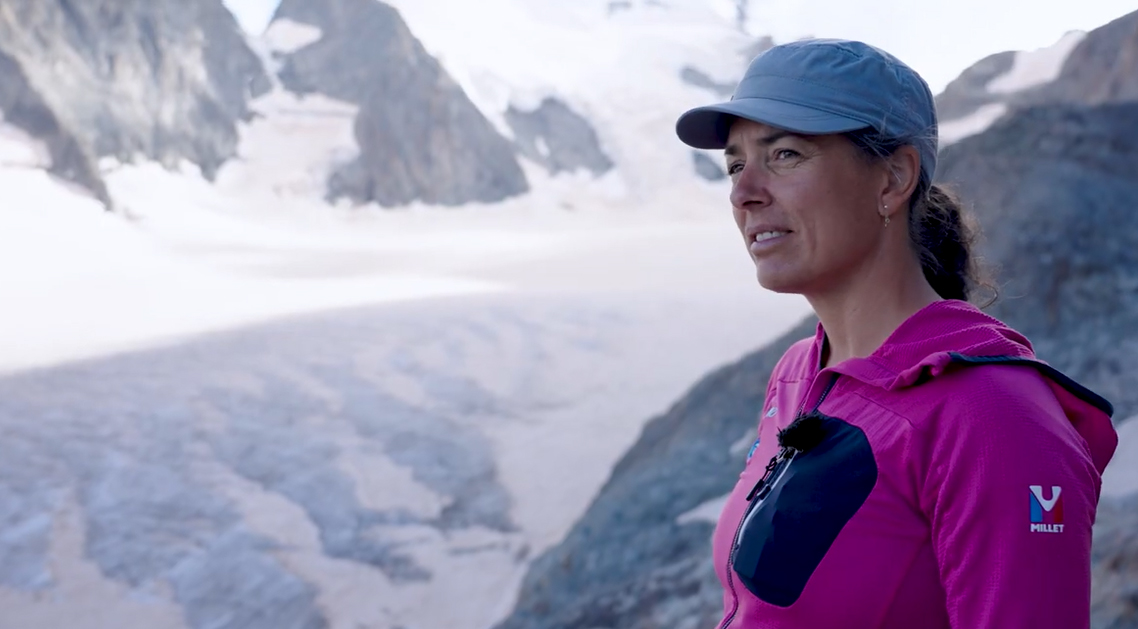
I am a scientific engineer specializing in natural hazards and glaciology. My work mainly focuses on the processes that control the mass balance of glaciers in the Alps, glacial and periglacial hazards, and avalanche risks. I use my field experience (observations, measurements, analyses) and mapping skills, as well as topography, database, GIS (Geographic Information System), and calculation tools, particularly with regard to mass balances. I am also a remote pilot for aerial and aquatic drones.
|
Mathilde BONNETIER, PhD student
|
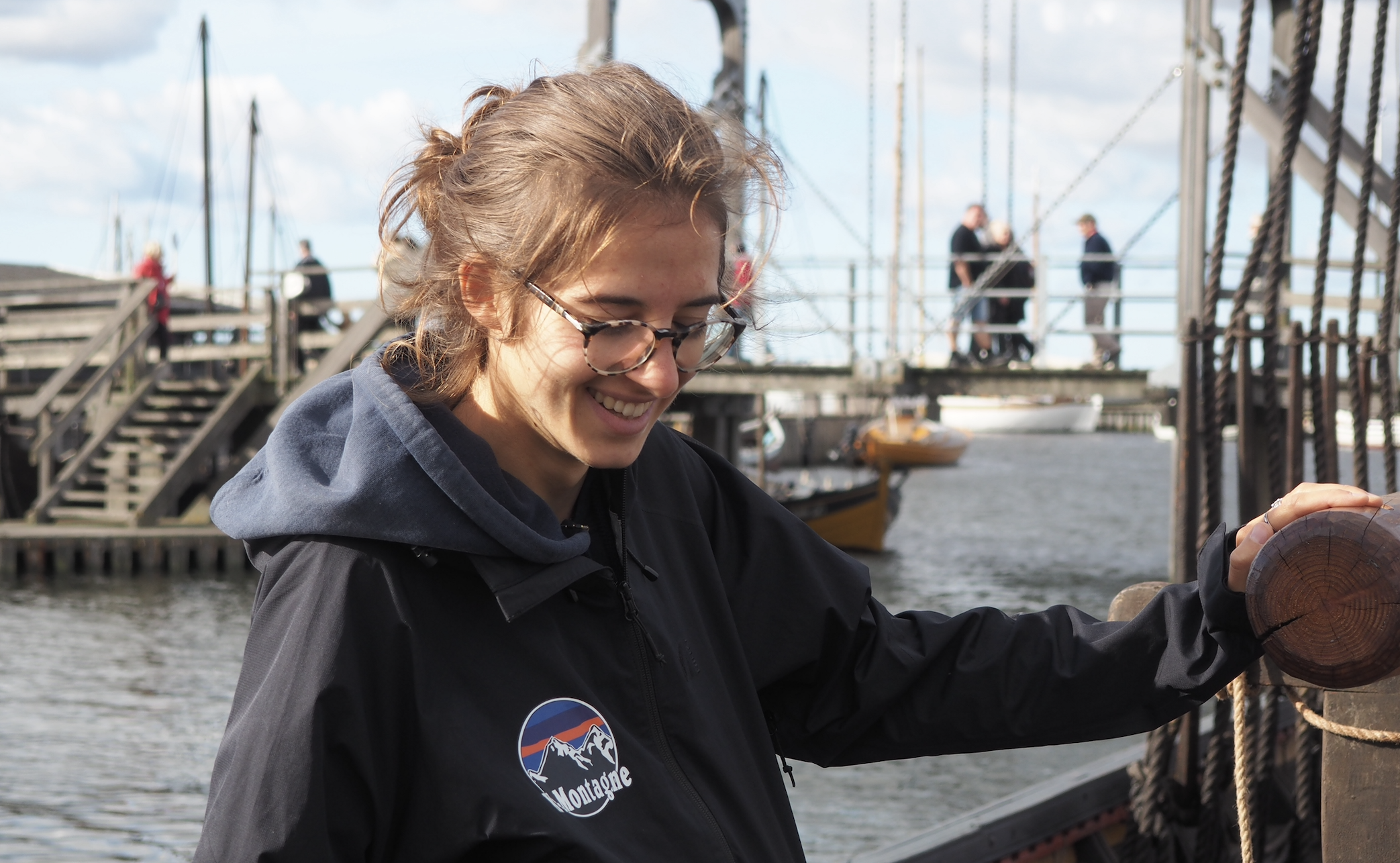
I am interested in the mechanical modelling of snowpacks, and more specifically in the link between the microstructural mechanical response of snow and its consequences on a larger scale. The goal of my PhD is to gain a better understanding of the nucleation and propagation processes of compressive instabilities within a snow layer. In particular, I focus on the case of firnquakes (snowpack collapses on flat terrain). Using numerical simulations and possibly experimental work, I wish to contribute to the building of a theoretical model of this phenomenon.
|
Julien BRONDEX, Deputy Physicist (CNAP)
|
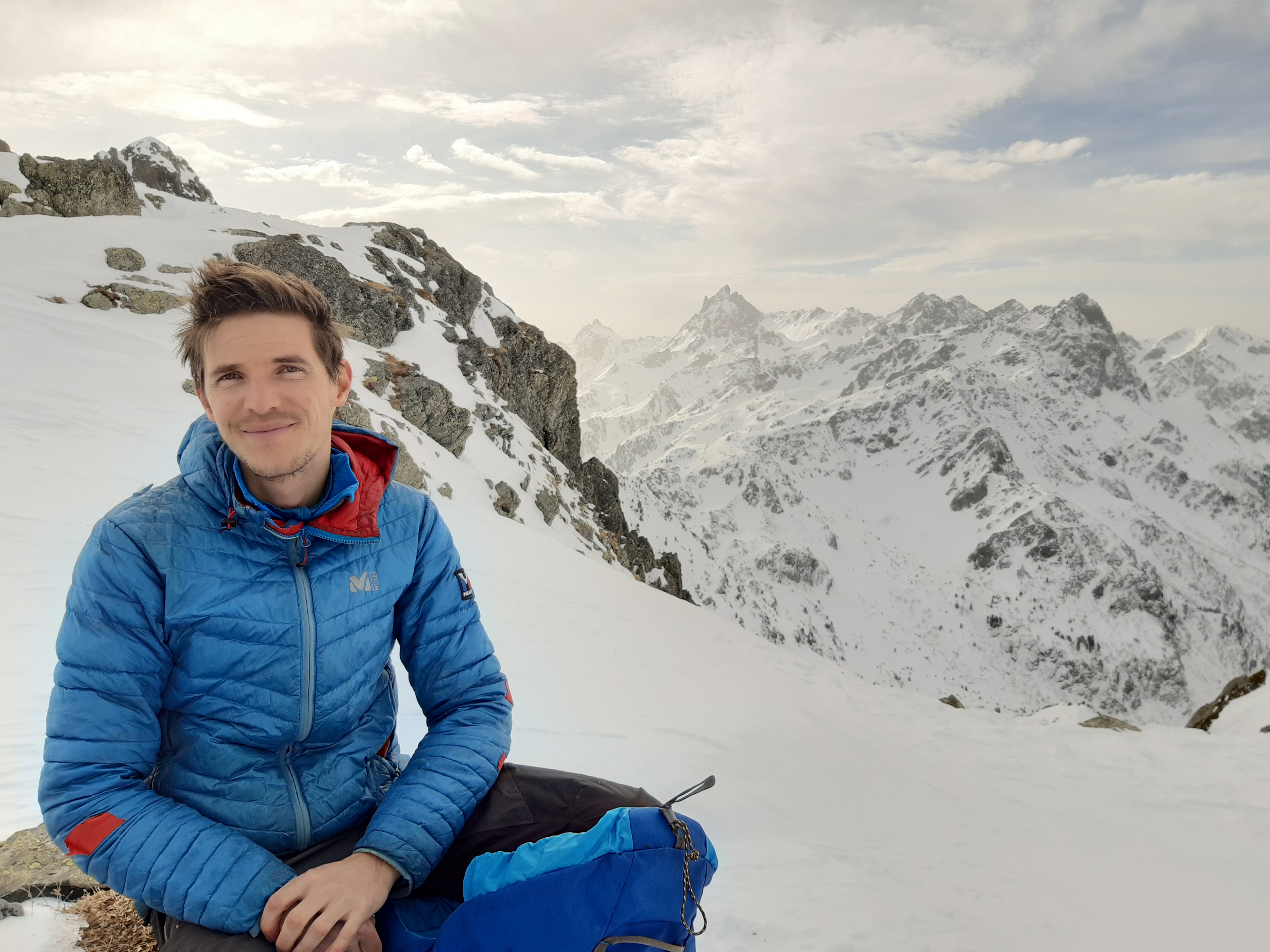
My research focuses on glacier-related hazards, with a particular emphasis on glacier collapses. It combines numerical modelling and field
|
Nicolas CHAMPOLION, CNRS Research Scientist (CR)
|
My research focuses on the evolution of all mountain glaciers on the planet and the consequences of their melting on sea level rise and water resources. I try to estimate the changes in glacier mass according to future climate variations. To do so, I use a numerical model to simulate glacier mass balance and ice dynamics, as well as satellite and in situ observations to calibrate and validate the simulations.
|


Thomas CHAUVE, Postdoc (ERC Rheovolution)
|
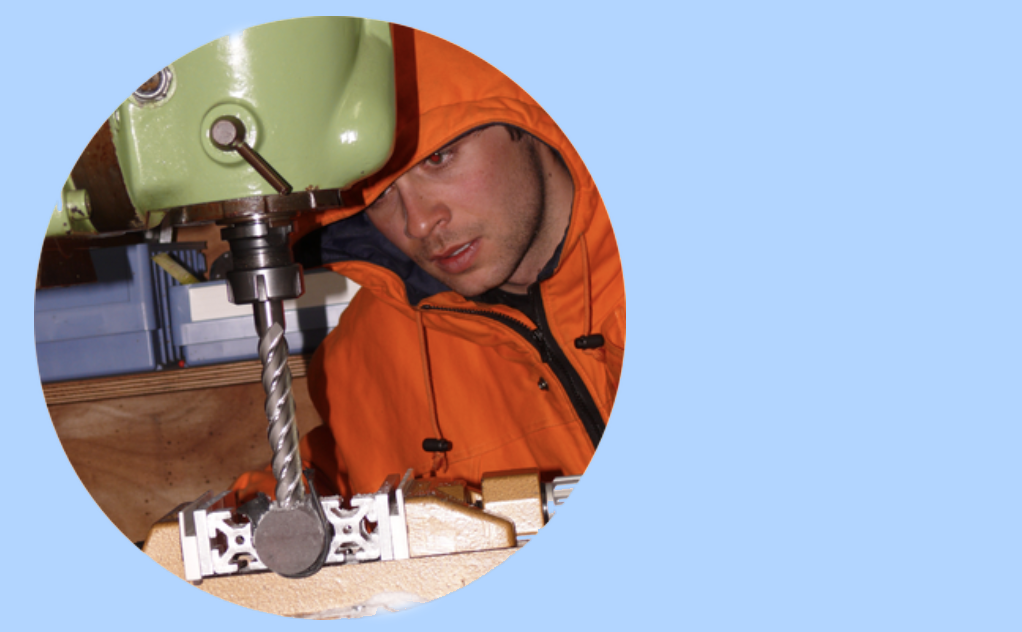
My research focuses on the mechanical behavior of ice in its plastic deformation regime. It focuses more particularly on recrystallization mechanisms and their impact on the evolution of textures, microstructures and heterogeneities of the deformation field. I approach these problems by combining experimental studies (mechanical tests, field measurements by digital image correlation, crystallographic measurements) and numerical studies (CraFT, Rheolef). I am currently employed in the framework of the ERC Rheovolution project. I am also interested in open source science and software issues.
|
Mondher CHEKKI, CNRS Research Engineer (IR)
|
I am a research engineer in scientific computing with expertise in high-performance computing. I am in charge of coordinating scientific computing activities and producing simulations based on community models developed or used at IGE : (i) ice flow model Elmer/Ice, (ii) atmosphere model MAR, (iii) hydrology model Parflow. I am also in charge of the implementation of these codes on the national super computers (GRICAD/CINES/IDRIS), the technical management and the inventory of needs (resources, training) in connection with the IGE teams involved (CryoDyn, C2H, PhyRev). I also take part in the activities of the GRICAD intensive computing centre (20% of the time).
|
Marine DE COATPONT, PhD student
|
My research focuses on quantifying uncertainties in Antarctic glacial dynamics. Part of my work involves analysing the flux at the grounding line, a key area in polar dynamics that enables us to assess the amount of ice transitioning from the grounded to the floating state, and to estimate Antarctica’s contribution to sea-level rise. To this end, I use simulation outputs from the Ice Sheet Model Intercomparison Project (ISMIP6). The aim of this work is to examine whether the models agree with one another on the flux at the grounding line for a given geometry, and to characterise the associated uncertainty factors. In addition, I am contributing to ISMIP7 by providing Elmer/Ice simulations for Antarctica, in collaboration with Cyrille Mosbeux. Another part of my work involves exploring high-end scenarios and predictability in regions of particular interest, such as the Amundsen sector, using the Elmer/Ice model.
|
Amaury DEHECQ, IRD Research Scientist (CR)
|
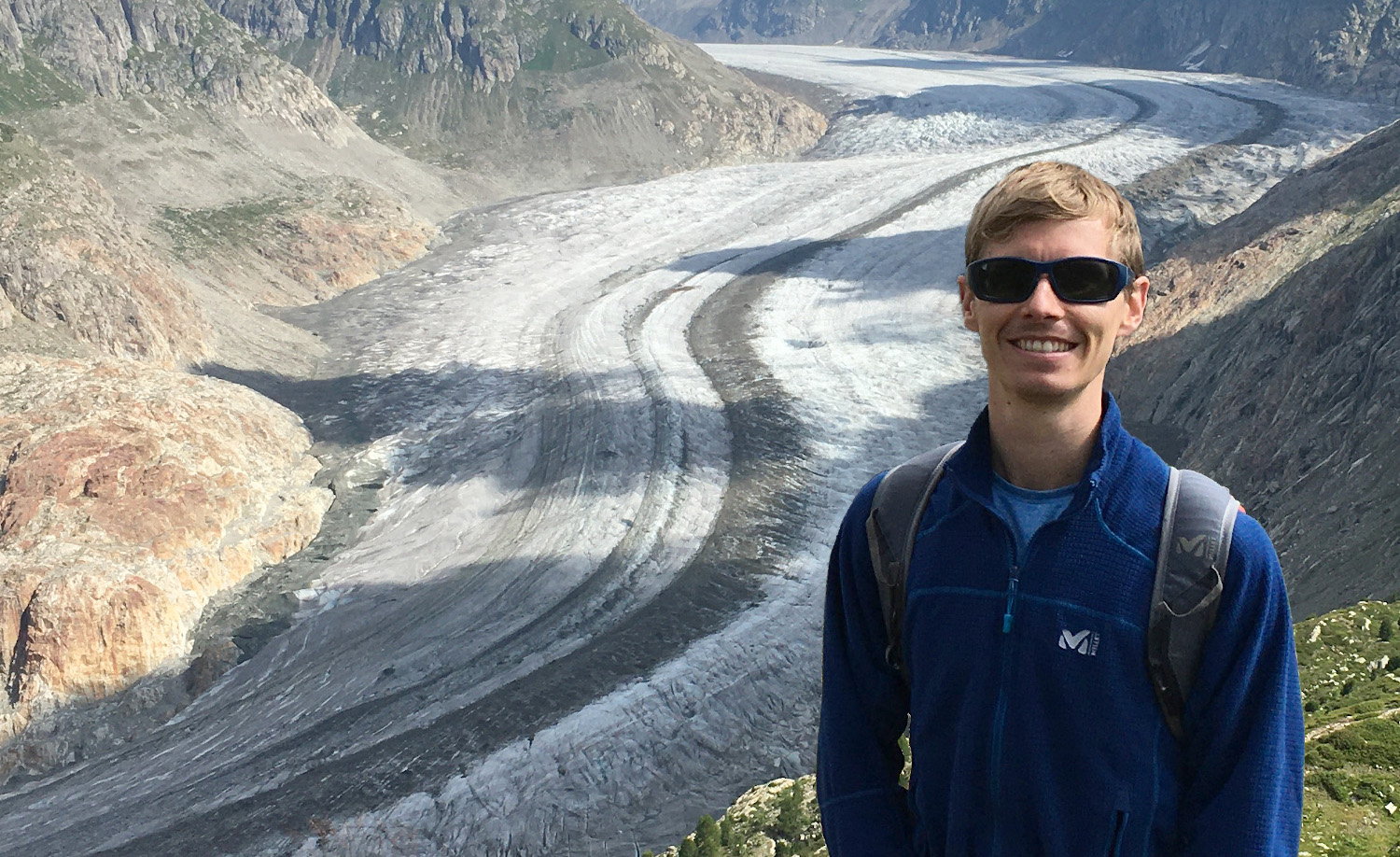
My research focuses on mountain glacier changes from remote sensing observations. I use a combination of modern satellite images, declassified spy satellite, and historical airborne/terrestrial photographs to study the response of glaciers to climate change over the 20th century. I measure in particular two important glacier features : 1) their volume changes to assess their contribution to sea level rise and water resources and 2) the ice flow velocity, which constrain the glacier geometry and its sensitivity to a change in climate. My main areas of interest include High-Mountain Asia, the Andes or the European Alps, but I’m also interested in global scale observations.
|
Gaël DURAND, CNRS Senior Research Scientist (DR)
|
My research focuses mainly on the modeling of polar ice sheets, the dynamics of coastal glaciers and their impact on sea level. More particularly interested in the mechanisms of instabilities, I am trying to understand to what extent the ice sheets could enter a self-sustaining collapse regime and consider the rates of loss of ice mass to the ocean that this would generate.
|
Lohenn FIOL, PhD student
|
I am interested in modelling any frozen object that interacts strongly with the ocean. I began by working on ice shelves in a paleoclimatic context. I then started studying sea ice. For a year, I participated in a research project at Datlas aimed at better quantifying the uncertainties and predictability of sea ice dynamics from 1 to 10 days over the Arctic basin. I am now studying sea ice dynamics on a much smaller scale (kilometers/sub-kilometers) using the FloeDyn model. FloeDyn is a Lagrangian granular model that simulates the dynamics of ice fragments, or ‘floes’. In particular, I am looking at whether a change in dynamic regime occurs at these small scales, and if so, what its characteristics and origin are.
|
Olivier GAGLIARDINI, Professor at Univ. Grenoble Alpes

|
My research focuses on a better understanding of the physical processes that govern the flow of ice, glaciers and ice-sheets. This work consists in modeling these processes and their couplings using the finite element software Elmer/Ice. I also teach in the bachelor and master of Civil Engineering at University Grenoble Alpes.
|
Adrien GILBERT, CNRS Research Scientist (CR)
|
My research focuses on modeling the response of glaciers to climate variability with physically detailed approaches to assess their thermal and dynamic changes. I participate in the development and use the Elmer/Ice finite element code. My current work focuses on the interactions between sub-glacial hydrology and basal ice sliding in order to better evaluate the acceleration of glaciers related to increasing surface melting.
|
Fabien GILLET-CHAULET, CNRS Research Scientist (CR)
|
I study the dynamics of glaciers and polar ice sheets. I am one of the developers of the Elmer/Ice finite element code. In particular, I develop the data assimilation methods used to initialize the model from the available observations, and thus better understand and predict the evolution of these ice masses.
|
Florent GIMBERT, CNRS Research Scientist (CR)
|
I study the mechanics of various Earth’s surface processes associated with ice, rock and water dynamics. I develop observational and theoretical frameworks that allow making use of innovative geophysical (mainly seismic) methods to infer key physical properties related to glacier flow (basal sliding, internal ice deformation and fracturation), open and confined channel flows (rivers, subglacial channels), mountain river sediment transport and sea-ice drift. I am also interested in studying more fundamental aspects of granular-like transport as well as fracturation processes in mono- and multi-phasic flows using simple experimental and numerical experiments.
|
Lucille GIMENES, Research Engineer (Fondation Albédo & ERC IceDam)
|
My work involves mapping basal melting at high resolution beneath Antarctic ice shelves, with West Antarctica (Pine Island Glacier) as my first study region. This project is divided into three main parts : (1) data collection (surface mass balance, firn thickness, digital elevation models), (2) calculation of ice flow using image correlation methods, and (3) co-registration of DEMs and Lagrangian monitoring of changes in ice shelf thickness.
|
Alban GOSSARD, Postdoc (MIAI cluster)
|
My research focuses on leveraging large, heterogeneous datasets of glacier observations to learn physics-based laws. In this context, I am particularly interested in inferring basal friction laws for mountain glaciers by combining statistical learning and differentiable programming. I also work on adjoint computation for ice flow models, with the goal of improving their efficiency for data assimilation and optimization. More broadly, I am interested in how we can learn or correct missing physical components in geoscientific models. I actively contribute to the development of several open-source models. My research is supported by the MIAI (Multidisciplinary Institute in Artificial Intelligence) cluster.
|
Ana HERAS DURAN, visiting PhD student (Univ. Alberta)

|
I am a PhD student working with Pr. Didier (LNAR, Univ. du Québec à Rimouski) and Pr. Myers (Univ. of Alberta) as part of the Ice2Ocean project—a community-based initiative in the Canadian High Arctic. Our research is conducted in close collaboration with the Inuit hamlet of Ausuittuq (Grise Fiord), key partners in our research design and data collection. My work focuses on understanding the marine physical dynamics of Jones Sound (Nunavut), specifically the distribution, evolution, and seasonality of Atlantic Water in the region and its role in glacier melt. To investigate these processes, I combine numerical model outputs (Nucleus for European Modelling of the Ocean) with observational data from CTD profiles and moorings. As a research visitor at IGE, I also work on characterizing glacial retreat in the region using remote sensing, in collaboration with Romain Millan.
|
Antonin HILZHEBER, PhD Student
|
My research focuses on the influence of the anisotropy of the ice viscoplastic behavior on glacier flow, particularly in outflow and mountain glaciers. Through the use of the R3iCe texture evolution model and large-scale simulations with Elmer/Ice, I aim to understand how crystallographic textures develop along flow lines and the impact of dynamic recrystallization on them. These predictions are compared with geophysical field data (e.g. as part of the REASSESS ERC) to better evaluate and improve the accuracy of these new models and understand the impact of these phenomena on glaciers and their interactions with their environment. These models can be used to better model the rheology of the earth’s mantle as part of the ERC RhEoVOLUTION.
|
Nicolas JOURDAIN, CNRS Senior Research Scientist (DR)
|
My main research focus is on the interactions between the Antarctic ice sheet and the other components of the climate system, with the aim of better estimating and maybe reducing the uncertainty on future sea level rise. At the moment, I am mostly working on numerical models representing interactions between the Southern Ocean and the Antarctic ice shelves. I am also interested in modelling the impact of a warming atmosphere on the stability of these ice shelves. I have other research activities on air-sea interactions and on various aspects of the Indo-Pacific climate.
|

Tifenn LE BRIS, PhD Student
|
My research focuses on the study of the dynamics and deformation of an Antarctic coastal glacier interacting with the ocean, the Astrolabe glacier in Terre Adélie. This study is based on a joint analysis of cryoseismic and geodetic signals whose frequency complementarity of the sensors (from 200 Hz to a few minutes period for the seismometers, and from a few minutes to several months period for the GPS) deployed on the grounding line, around the glacier and on the seabed will allow to address multiple scientific questions. I am particularly interested in having a better understanding of the link between seismicity and
|
Emmanuel LEMEUR, Lecturer at Univ. Grenoble Alpes
|
My research focuses on the dynamics of outlet glaciers that drain most of the continental ice from ice sheets (especially Antarctica) to the ocean. These glaciers show an important acceleration, with large potential impact on sea level. The Astrolabe Glacier observation site in Adelie Land was developed in order to understand the processes controlling ice dynamics. I also have expertise in geophysical characterisation tools such as differential GPS and radar (in particular to derive the ice sheet surface mass balance). In addition, I teach Earth sciences at University Grenoble-Alpes in STE Bachelor’s and Master’s degree courses.
|
Pierre MATHIOT, Research Engineer (TRACCS)
|
My work focuses on the numerical modeling of interactions between land ice and the ocean (floating ice shelves, icebergs, marine-terminating glaciers) within the NEMO ocean circulation model. As part of the TRACCS program, I am responsible for implementing the coupling of the ocean (NEMO) and ice sheet (Elmer/Ice) in the next generation of the IPSL Earth system model. This work will enable a better understanding of the interactions between the ocean and polar ice sheets (Greenland and Antarctica) in future climate projections. It will also help improve the estimation of the uncertainties and the contribution of polar ice sheets to sea level rise.
|
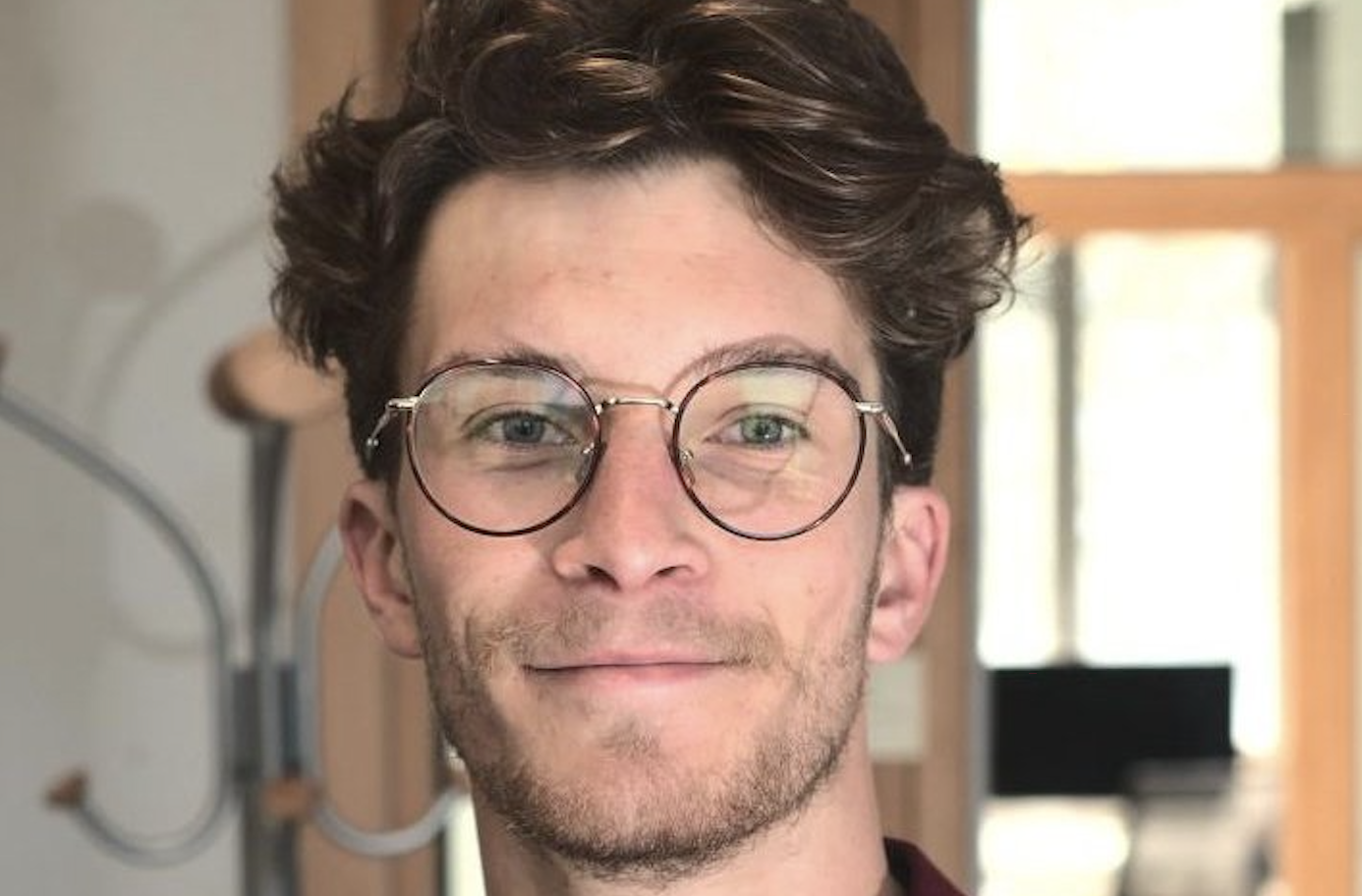
Damien MAURE, Postdoc
|
I study the ice sheets and their interaction with the climate.
|
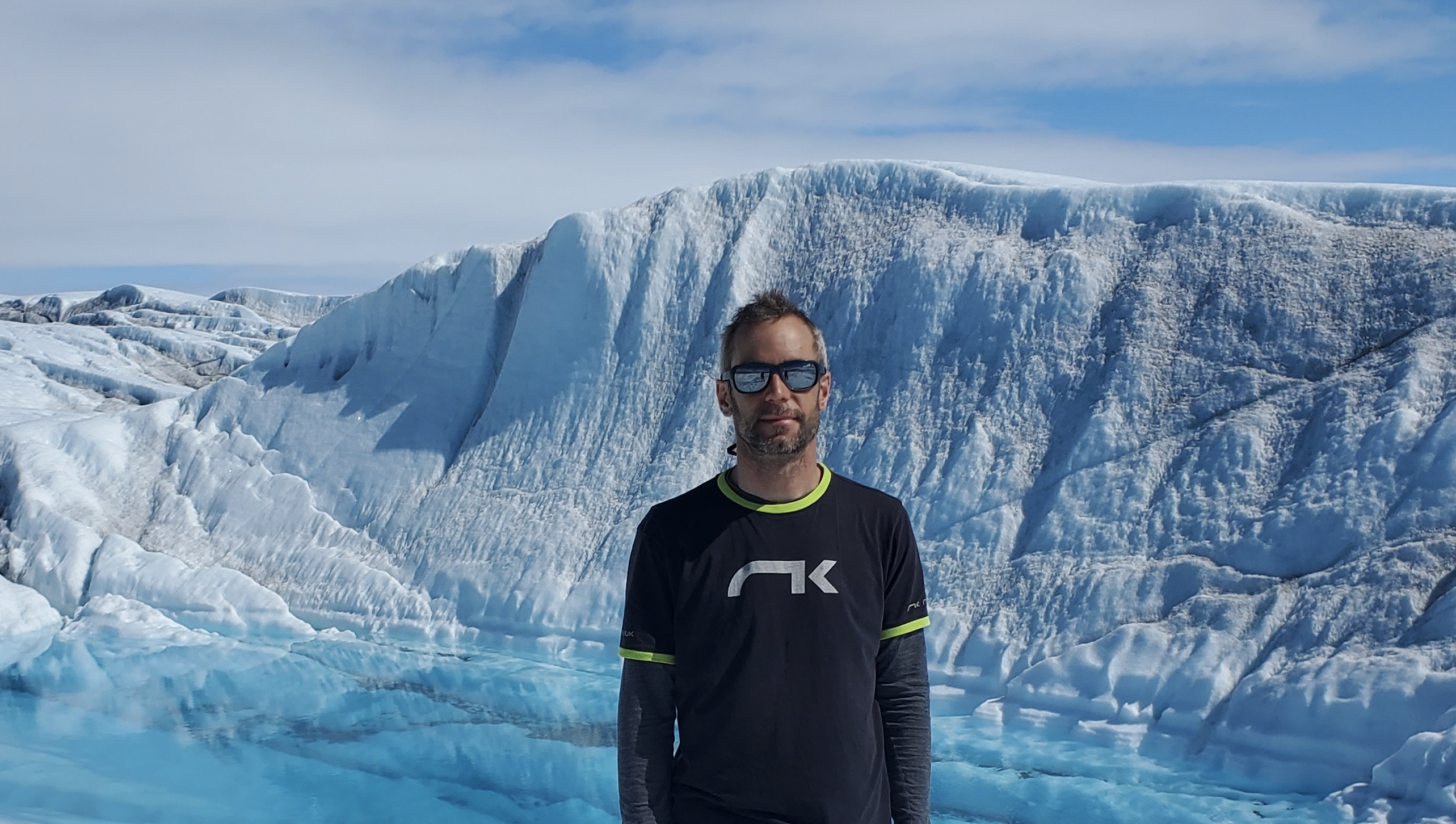
Alexandre MICHEL, Research Engineer (ERC REASSESS)
|
Coming from the private sector (with more than 15 years spent in design offices), I am currently in charge of preparing and deploying a wide range of geophysical scientific instruments as part of the ERC REASSESS, which aims to study the impact of glacier surface slope on subglacial hydrology and the evolution of the Greenland ice sheet. My work also involves collecting, archiving, and preprocessing the acquired data (seismic signals, fiber optic signals, GNSS acquisitions, and satellite data) in collaboration with researchers and doctoral students.
|
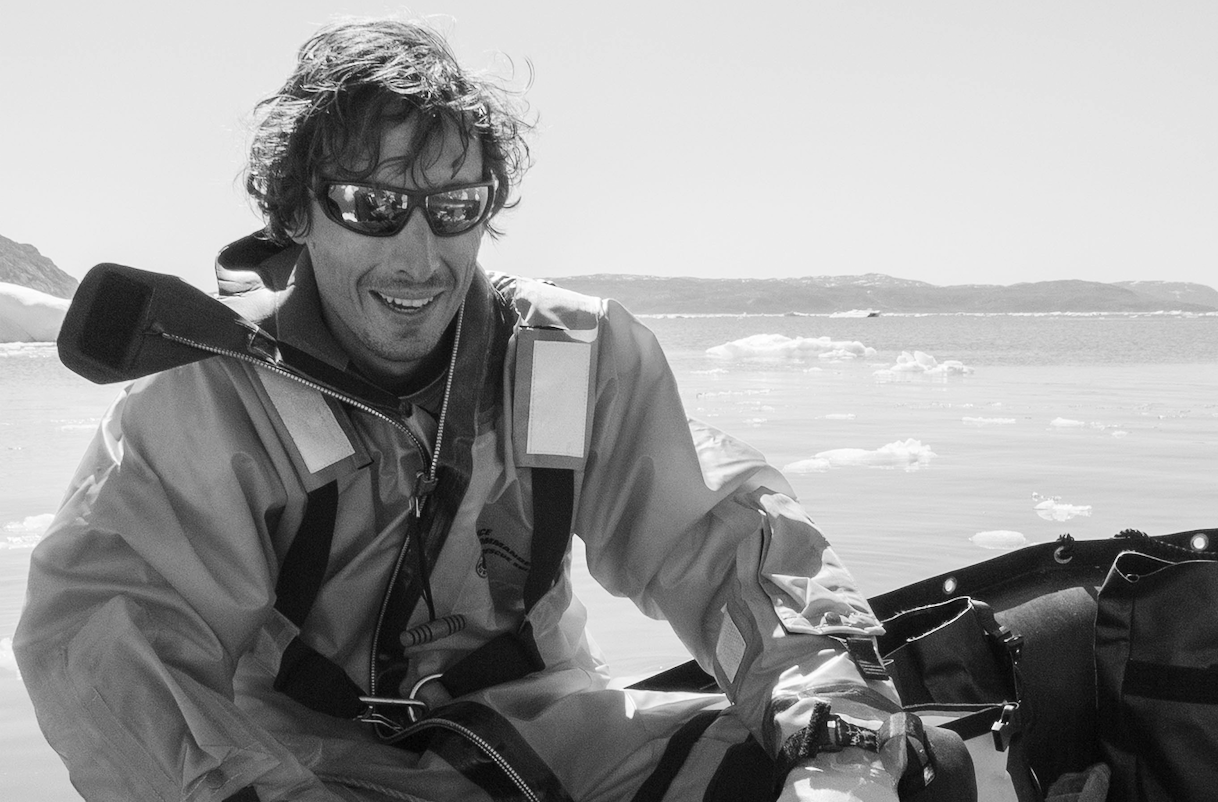
Romain MILLAN, CNRS Research Scientist
|
My research focuses on the study of the glaciers and ice sheets dynamics. My postdoctoral work consists of calculating the flow velocities of mountain glaciers on a global scale in order to better document their seasonal variations and improve estimates of ice thickness. The aim is to better constrain the future contribution of glaciers to the sea level and the evolution of water resources. I am also interested in the interactions between the polar ice sheets and the ocean, and part of my work aims to establish maps of bathymetry under the platforms in Antarctica and Greenland, using airborne gravimetry methods to find out the access routes from warm waters to the ice sheet.
|
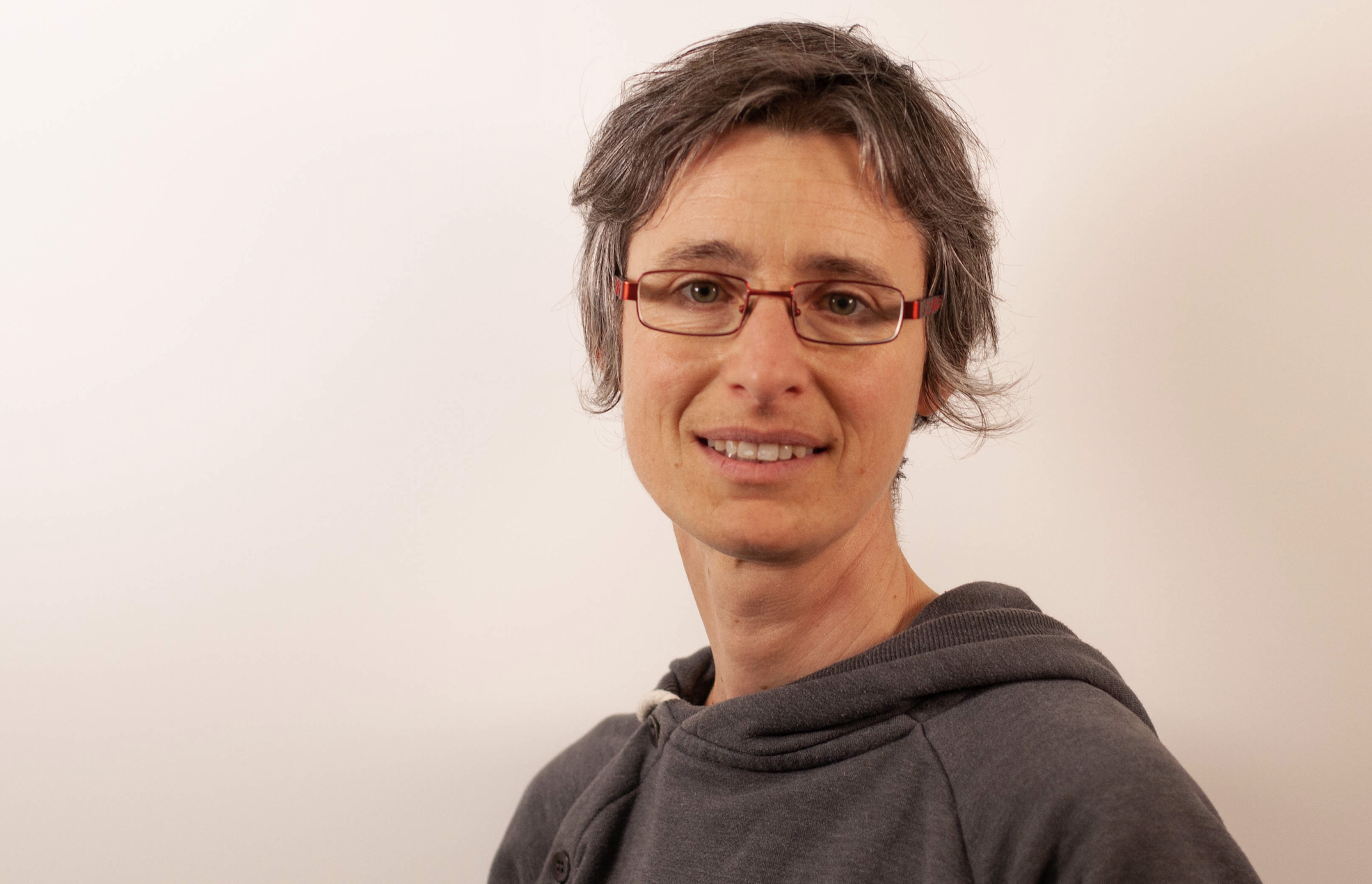
Maurine MONTAGNAT, CNRS Senior Research Scientist (DR)
|
My research focuses on the understanding and modeling of fundamental mechanisms of ice (snow and firn) deformation, from the dislocation to the ice sheet scale. My work stands on strong collaborations with the Earth Sciences and Metallurgy communities to share and co-develop experimental and modeling tools.
|
Cyrille MOSBEUX, Research Engineer (TRACCS)
|
My research focuses on ice sheet and glacier modelling, and their interaction with the ocean. I am currently working on the role of crevasses and ice damage on ice flow, as well as the effect of ocean induced basal melting on the stability of ice shelves and their parent glaciers. My goal is to model these mechanisms the most accurately as possible to better understand the role they have played and will play in the acceleration and retreat of glaciers in the Amundsen Sea sector (Antarctica).
|
Helen OCKENDEN, Postdoc (AIAI)
|
My research focuses on improving boundary conditions for modelling the evolution of Antarctic ice sheets. During my PhD I worked on methods for mapping bed topography and geomorphology in the interior of Antarctica. My current research is part of the AIAI project, and aims to improve the representation of ice sheets in global climate models by using neural networks to emulate ice shelf melting.
|
Vincent PEYAUD, CNRS Research Scientist (CR)
|
I study the dynamics of glaciers and polar ice sheets. My first studies focused on the ancient ice sheets of the northern hemisphere and now focus on the evolution of mountain glaciers in relation to climate variability.
|
Corentin PRADOS, PhD in flow dynamics
|
I am a PhD student at IGE, in collaboration with the Physics Laboratory of ENS Lyon. My research focuses on modeling turbulent flows in proglacial lakes and supraglacial channels. These phenomena are critically important in the context of climate change, as they directly impact glacier melting and the associated risks of sudden lake outbursts. My project, titled "Turbulence dynamics in proglacial lakes and supraglacial channels : high-fidelity modeling and impact on ice melting", is part of the national action plan for the prevention of glacial and periglacial risks, overseen by IGE. The goal of my research is to better understand the physical mechanisms controlling the enlargement of these channels and the evolution of lakes, in order to develop predictive tools that can assist local authorities in managing natural risks. I conduct high-fidelity numerical simulations using codes such as Dedalus to explore these complex dynamics. You can also check out a previous project I completed with Louis Couston here.
|
Antoine RABATEL, Senior Research Scientist (Physicien CNAP)
|
My research topics include mountain glaciers dynamics and surface processes as well as annual to multi-decadal changes in glacier geometry (area, volume). My work mainly relies on field-based and remote sensing measurements of glacier processes (mass and energy balances, ice flow velocities, surface area and elevation changes) through the French Service National d’Observation GLACIOCLIM. GLACIOCLIM aims at documenting glacier evolution in different climate regions worldwide, from the high latitudes (Antarctica) to the mid-latitudes (French Alps and Pyrenees) going through the low latitudes in the tropical Andes and Himalayas.
|
Catherine RITZ, CNRS Senior Research Scientist (Emeritus)
|
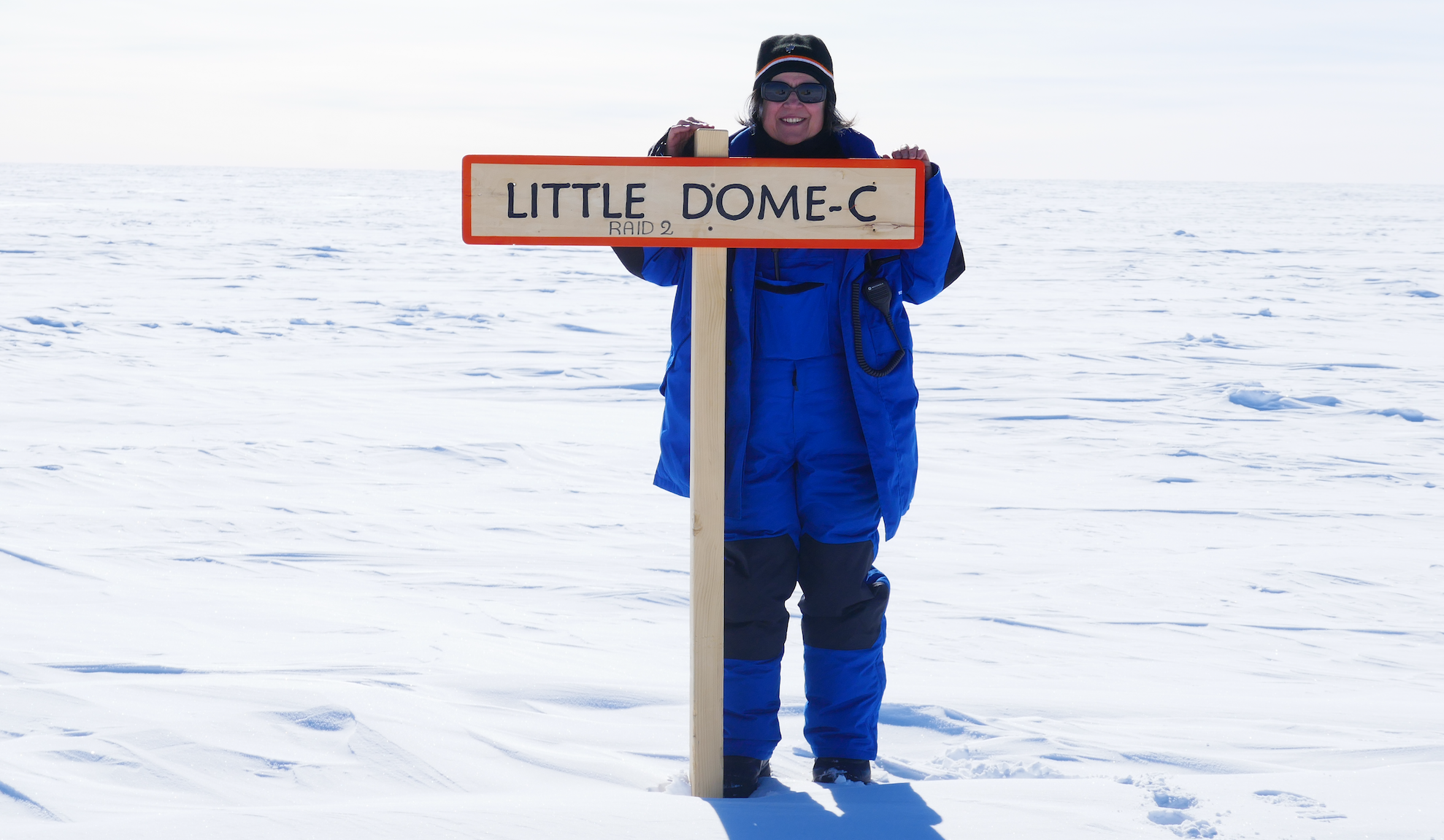
My research focuses on the dynamics of ice sheets at various scales of space and time. To evaluate the response of an entire ice sheet to climate change, I have developed a thermomechanical evolution model, GRISLI (now mainly used at LSCE). On the other hand, ice flow is involved in the interpretation of deep ice cores for which I have developed dedicated models also used for the search of a very old ice site on the Antarctic plateau (activity partly in the Ice3 team).
|

Samidha VENKATESH REVANKAR, PhD student
|
My research focuses on understanding processes in fluvial settings such as extreme floods and debris flood events using seismic techniques. Mass movement across rivers during flood conditions, which involves large amounts of water and sediment, generates significant ground motion that can be detected by seismometers placed meters to a few kilometers apart. This includes both low-frequency water turbulence and high-frequency bedload signals, which can be accounted for separately with the help of various theoretical models. To investigate the dynamics of floods, I use a dense array of short period sensors (fairfield type) across La Séveraisse (a river in the French Alpes). I use Matched Field Processing (MFP), a beamforming technique with a focus on seismic source localisation, and charactisation during flood events.
|
Marie ZELLER, PhD student
|
I study glacier basal sliding in the Alps and Greenland as part of the ERC REASSESS project, which investigates the dynamics of the Greenland Ice Sheet. My PhD focuses on the control of glacier morphology on basal friction through its influence on subglacial hydrology, particularly cavity connectivity and channel evolution. The aim is to incorporate this work in the Elmer/Ice code and to test it against both existing data from the European Alps and new observations from Greenland.
|