 The federation
 Intranet


In Madagascar, a new step in hydrology training to address climate challenges
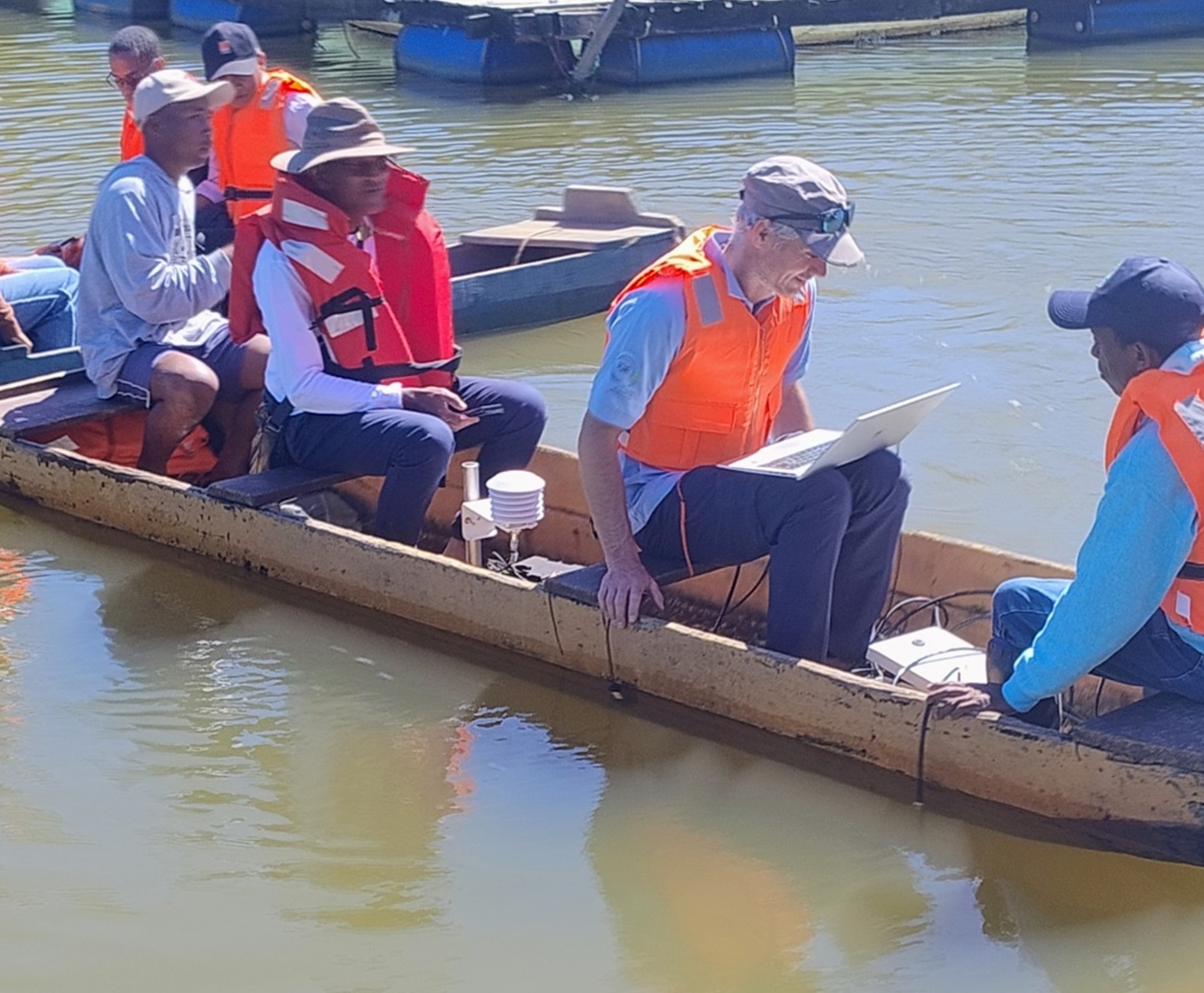
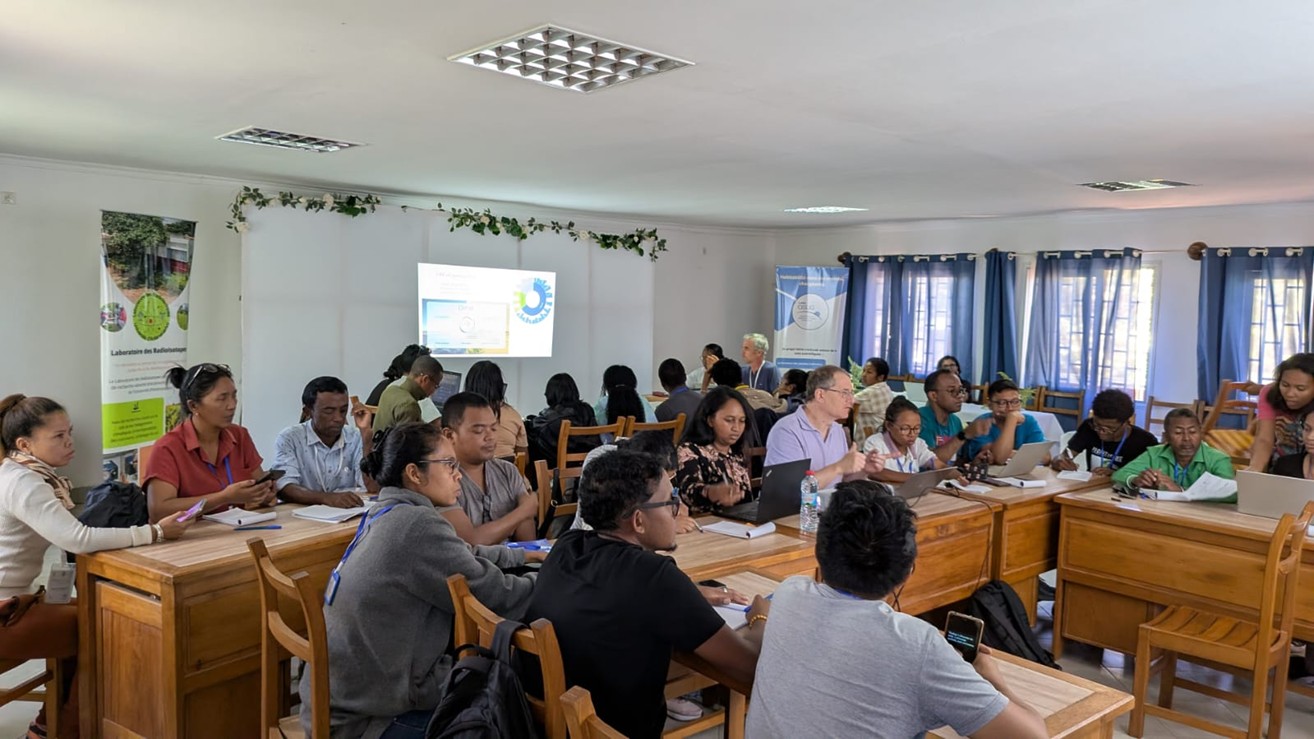
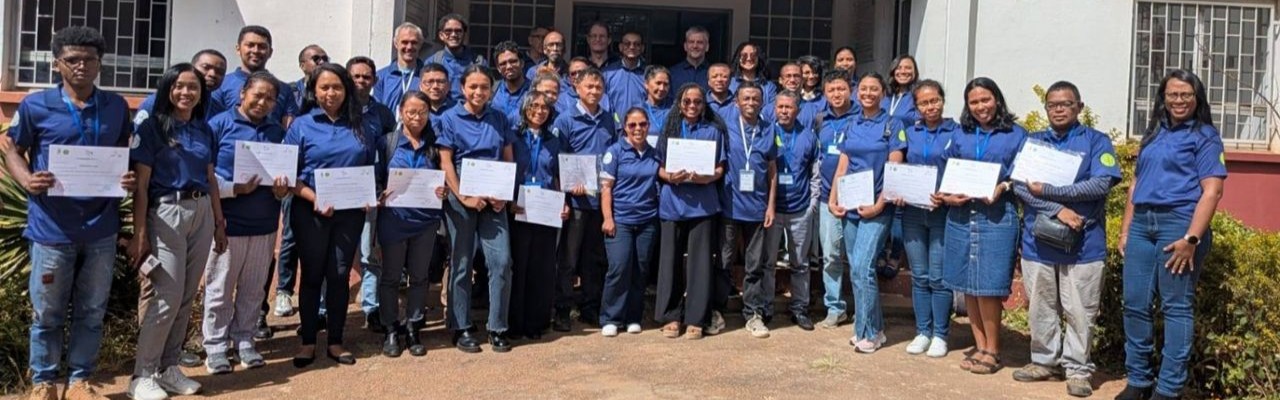
From 4 to 8 May 2026, the Radioisotopes Laboratory (LRI, University of Antananarivo) hosted the second edition of the thematic school “Hydrology, Critical Zone for Sustainable Water Resources Management”, co-organised with the Institute of Environmental Geosciences of Grenoble (IGE-OSUG, CNRS/IRD/UGA/INRAE/Grenoble INP-UGA) and funded by Labex OSUG. Intended for Master’s students, PhD students, postdoctoral researchers and Malagasy professionals working in laboratories, ministries, consulting firms and NGOs, this training programme aims to strengthen local expertise in hydroclimatology, hydrogeology and water resources management, in a context of high climate vulnerability and a growing need for environmental data and modelling tools.
A second edition strengthening training in instrumentation and field measurements
This thematic school is part of the annual activities of the Franco-Malagasy IRN (International Research Network) CC-MADA (Climate Change in Madagascar : impacts on sylvo-hydro-agro-systems), led by CNRS (INSU) and coordinated by IGE with the support of IRD (DISCO).
Following a first edition held in 2025, this new session aimed to strengthen national capacities for measuring, analysing and modelling Critical Zone processes, particularly in relation to climate variability and surface and groundwater resources.
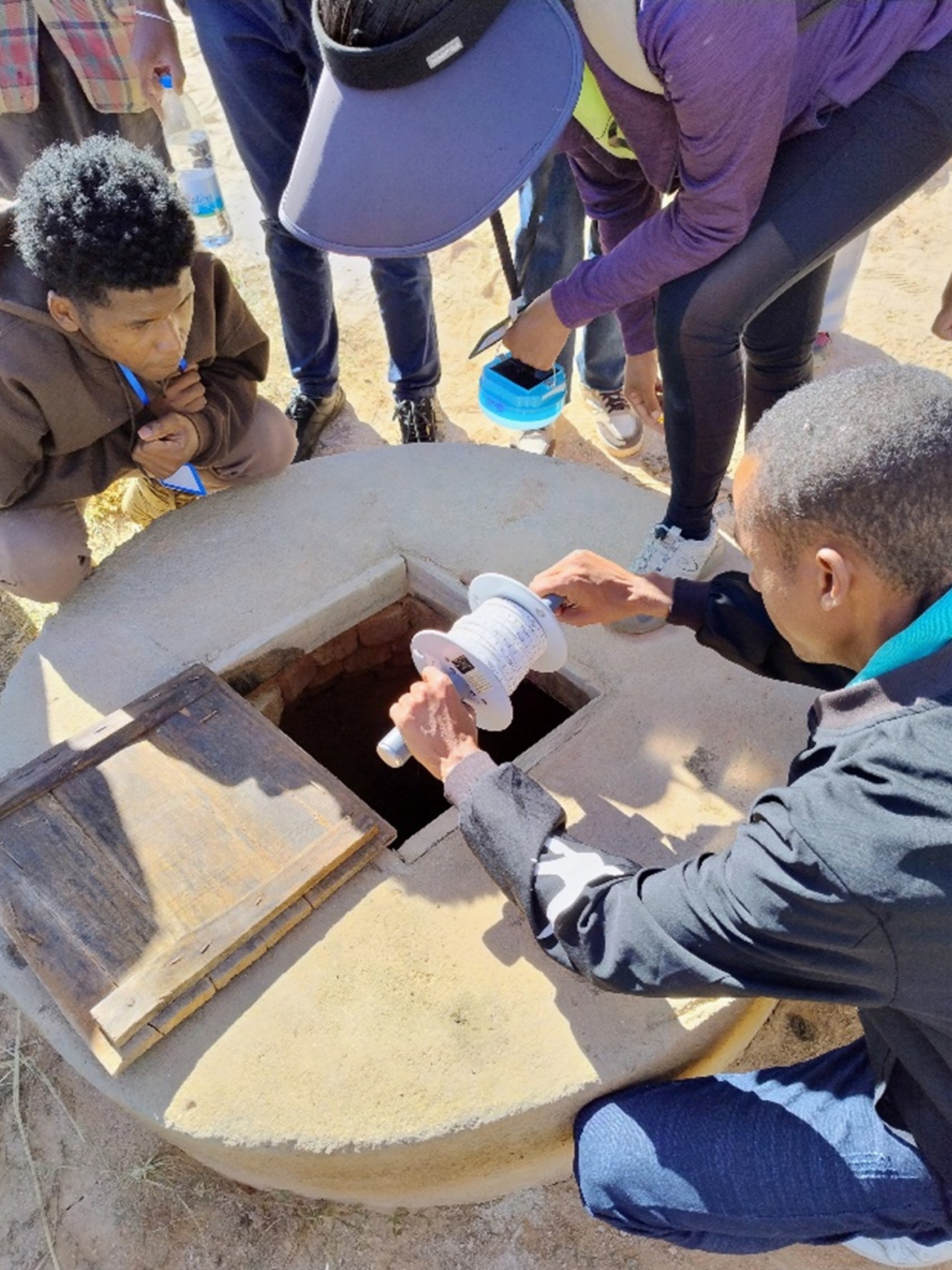
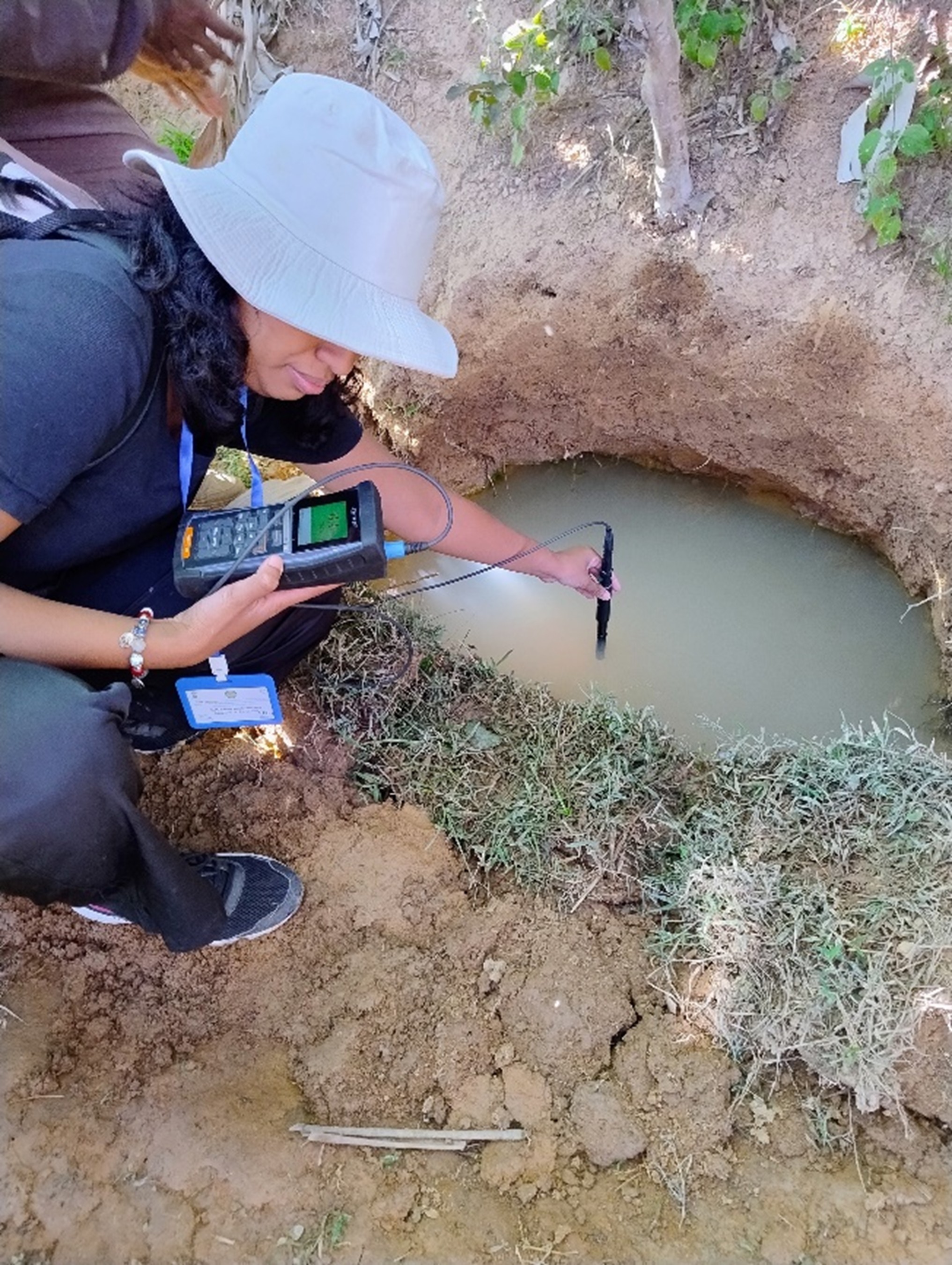
Piezometric and physico-chemical measurements carried out by students in village wells around Lake Masotsora. © S. Bigot
A more ambitious 2026 edition
Over five days, 25 participants took part in theoretical and practical training in hydroclimatology, hydrogeology and environmental hydrogeochemistry, delivered both in person and remotely by researchers based in Madagascar, France and Vietnam. Several Malagasy public and private organisations involved in water resources management (Ministry of Water, Ministry of the Environment, Compagnie Générale d’Hydroélectricité de Volobe, FAO Madagascar, Sunfarming) also contributed to the programme.
In response to the expectations expressed by participants in 2025, the organising team :
- firstly, extended the duration of the school (from 3 to 5 days),
- and secondly, strengthened the practical and experimental activities :
- Half-day of practical fieldwork (including a visit to a monitoring site operated by APIPA (Authority for the Protection against Flooding in the Antananarivo Plain),
- A day of in situ experiments in hydrological and physico-chemical instrumentation around and on Lake Masotsora (located approximately 30 km south of Antananarivo).
- Workshops on geomatics and web computing, management of measurements from observation systems, and data processing (based on the in situ measurements collected during the week).
Towards a 3rd edition in 2027
Following the success of this training programme, the large number of applications received and the continued support from Malagasy university authorities and the IRD representative in Madagascar, a 3rd edition is already being considered for 2027, with even greater ambitions. In particular, the organisers are considering holding the thematic school jointly between Antananarivo and a university in another region, either Toliara or Mahajanga. These activities will also form part of the Erasmus+ FRESHMAD project (Training and Research in Hydrology and Sustainability Sciences in Madagascar), currently under evaluation, led by UGA/IGE in partnership with these three Malagasy institutions.
Local scientific contacts
Sylvain Bigot, Professor at Université Grenoble Alpes, geographer-climatologist at the Institute of Environmental Geosciences (IGE)
Guillaume Favreau, IRD Hydrogeologist at IGE
Romain Biron, IRD Research Engineer at IGE